ASD Description of disorders of the autism spectrum
1. Depression
The child is perfect, but their journey through the world is difficult.
I start from the principle that an AS child born into the world is perfect, but different from the norm. Theoretically, he says, ‘if the environment responds well and supports them well’, after 18 years a complete, harmonious human being is ready for life. There is a built-in compass that brings them safely to port; only bad weather and too many obstacles make them drift ever further from the course of a beautiful being full of potential. A fine example of a journey that works is Iris Grace: ‘The little girl who opens up to the world thanks to a cat’. Her parents found the best way to support her. A book for parents of AS children to read.
When our ‘autistic child of the heart’ becomes depressed
(AS = autism spectrum)
The social environment is not designed to welcome autistic people; parents often find themselves at a loss as to how to manage the situation, the education system is not adapted, and the surrounding setting can generate stress in the child.
In many cases, the child is traumatised and isolated. I am not saying the system is responsible, simply that the current way of doing things is not suited to autistic people and that the result is often disastrous. Perhaps rather strong words for you, but gradually you will become aware of a different reality and find solutions to change this.
According to Valérie Gaus's Figure 1.1.01 (PhD and clinical psychologist in New York), a series of factors leads the child, and also the adult, step by step towards anxiety and depression.
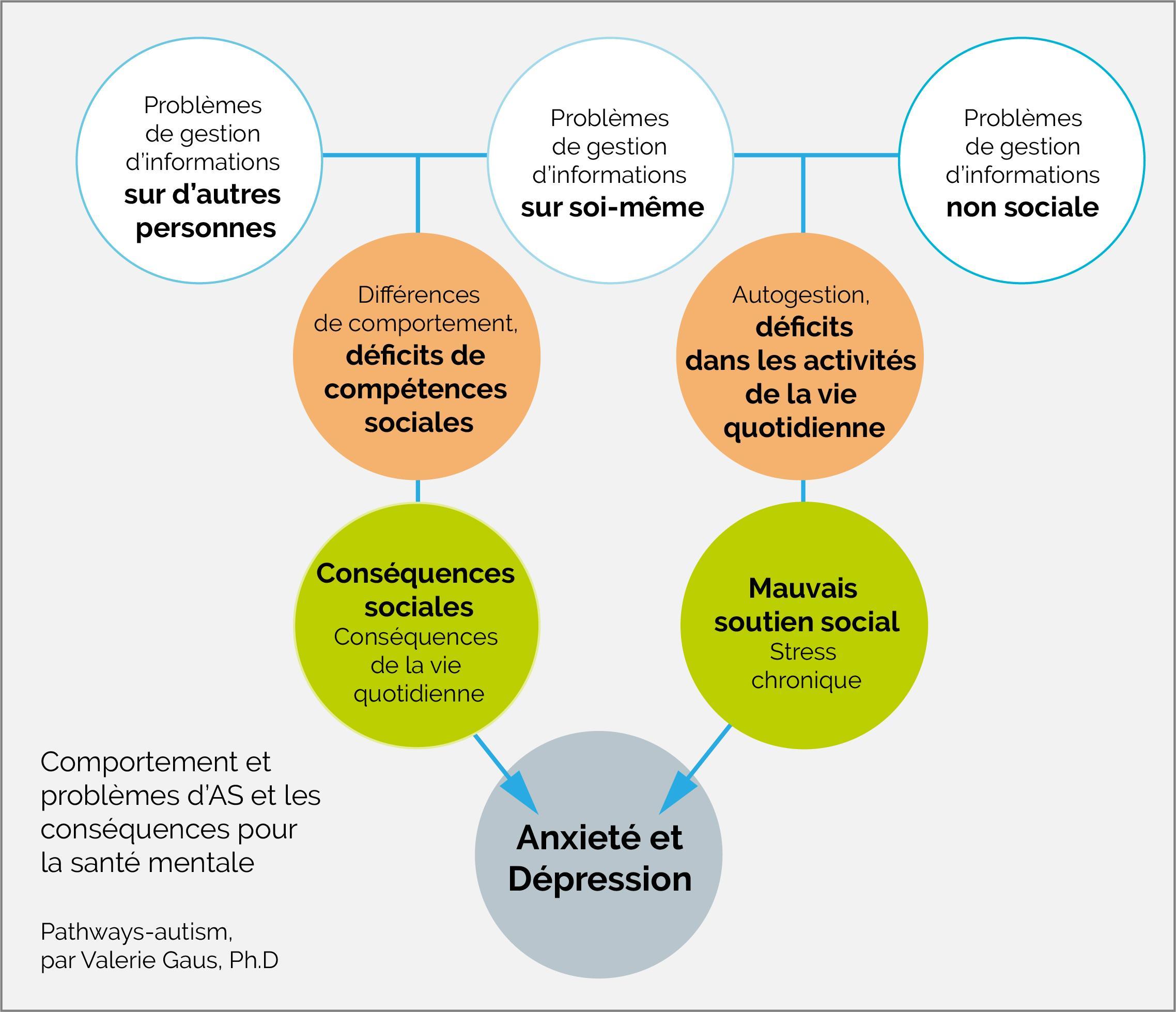
figure 1.1.01 Cognitive-Behavioral Therapy for Adults with Autism Spectrum, Valerie Gaus, PhD, November 2018.
That day, he came home with a heavy heart and a muddled mind. In class, he felt uncomfortable, unable to answer the teacher's questions appropriately, while laughter broke out around him. In his head he wandered elsewhere, and his answer proved completely out of step, despite his perfect knowledge of the subject. A grey veil seemed to fall over him, stifling every desire, in an everyday life where this situation repeated itself endlessly. His classmates' mockery and bullying became unbearable, while the din, the smells and the multitude of impressions prevented him from concentrating. Every morning he went to class with a knot in his stomach. For far too long, he had been unable to sleep or clear his thoughts. Retreating into his bubble became a struggle, and all he wanted was to flee, to escape that feeling of helplessness, to run without ever looking back, to put a definitive end to this suffering.
Valérie Gaus's diagram broadly illustrates dysfunction in managing and interpreting information: a process that goes off the rails. At every stage of life, the impact on the AS person varies, but ultimately the result remains the same: depression and anxiety take hold.
Physiological and genetic factors can also be seen to exert an influence. I therefore distinguish several forms of depression: social depression, physiological depression, digestive depression, as well as innate and genetic depression.
There is also depression linked to metabolism and digestion, cyclical depression resulting from exhaustion and a lack of light exposure, and finally social depression associated with circumstances. As the factors are many, we will define the basic principles and suggest some solutions.
Comorbidity
The combination of disorders generates specific reactions that exacerbate one another. Multiple manifestations appear, requiring care and special attention. Classifying symptoms in psychiatry and psychology sometimes proves complex.
Our AS person's need to remain in their bubble is often associated with obsessive behaviour. This takes the form of a passion for video games, repetitive activities, excessive reading and various addictions, leading to exhaustion. Furthermore, overconsumption of food, sugar and processed products, lack of sleep, concentration problems and irritability in social interactions can lead to depression.
It is essential to note that comorbidity — the simultaneous presence of several mental or physical disorders — can make the diagnosis and treatment of psychological disorders more complex.
In the case of autism, it is not uncommon for disorders such as depression, anxiety and obsessive behaviours to emerge.
According to Dr Bruno Donatini, a recognised specialist in the gut, depression and anxiety can alter the digestive flora, leading to intestinal malabsorption and dysbiosis: an imbalance in the biodiversity of the intestinal flora. This imbalance involves a decrease in beneficial bacteria and a proliferation of harmful ones, which can promote the emergence of depressive syndromes. It therefore appears essential for autistic people to learn to manage and control their depression and anxiety in order to improve their quality of life.
Methods
Developing the will in all its aspects (psychosynthesis, Roberto Assagioli and Piero Ferrucci) to hold on and find a way through.
Learning
Meditation to connect with one's intuition, to find calm. Technical breathing (pranayama) to stabilise the flow of energy in the body. Yoga, the sun salutation, to find points of reference in mind and body.
Setting goals in life
Learning to take on every kind of obstacle, even the most difficult, to transform oneself in the service of others and loved ones, and thus find Dharma, while organising goals in life and creating a chain of values. Source: Dr K. (Alok Kanojia), Healthy Gamer, psychiatrist and addiction specialist. Working at Harvard Medical School, McLean Hospital and Massachusetts General Hospital, and also directly online on his Twitch channel, his mental health project currently reaches more than 200,000 people.
Medicinal plants: saffron and St John's wort (be careful about interactions with other medicines), ashwagandha and curcumin. The dosage suited to the person and the moment is the key to success.
In countries where it is legal, microdosed psilocybin is a good shock remedy for severe depression (also a good remedy for various addictions), because ‘substance abuse is very well known among AS people’ as a way of escaping depression and anxiety.